

Kingdom Come: Deliverance II (PC): preparing for the hard start — gear, money, and your first quests
The opening hours of Kingdom Come: Deliverance II can feel punishing on Windows PC: you’re short on Groschen, your kit is rough, and every bad decision seems to snowball. This is a practical “survival guide” for the first 5–7 hours, built around three goals: stabilise your income without pointless grinding, buy the right things in the right order, and move through early quests without creating problems you’ll spend the next ten hours fixing.
Build steady income fast (without grinding yourself into the ground)
In the first towns, treat money as a system, not a one-off jackpot. Your quickest, repeatable income usually comes from doing a short loop of small jobs, paid errands, and low-risk scavenging on the roads you already need to travel for quests. If a task sends you from one settlement to the next, use the route: check notice boards, ask around for simple deliveries, and pick up side objectives that stack with the main trip rather than sending you on a detour.
Sell smart, not often. Early on, the mistake is dumping everything to the first trader you meet. Sort loot into three piles: (1) immediate cash items you won’t use (duplicate clothing, cheap weapons), (2) repairable items that jump in value after a quick fix, and (3) “keep” items (anything that replaces a broken slot in your outfit or gives you a safer fight). Even basic maintenance can turn battered kit into decent profit, and it also stops you bleeding money on constant artisan fees.
If you want clean money without theft, lean on gathering and craft loops when they naturally fit your travel. Pick plants on the way to objectives, and only brew or craft when you’re already near a bench or station. The trick is to avoid turning “money-making” into a separate activity—your income should rise as a side effect of travelling, talking, and completing early jobs.
Quick, low-risk money routes you can run while questing
Prioritise paid work that also improves your survivability: jobs that increase Speech, unlock safe lodging, or introduce you to local traders are worth more than the same coin from a random chore. When you’re new to an area, talk to locals and exhaust dialogue options where it makes sense—Speech progress early can prevent fights that cost you bandages, repairs, and time.
Make “sell days” part of your rhythm. Keep your pack light while travelling, then do a proper sell-and-repair session when you’re in a larger settlement with multiple vendors. That’s where you compare offers, offload valuables to the right specialist, and refresh essentials. You’ll feel poorer if you sell constantly in dribs and drabs; you’ll feel stable if you sell in planned bursts and keep a working cash buffer.
Finally, avoid fines and forced losses. A single messy conflict with locals can wipe out the profit from several early errands. If you’re unsure a situation is escalating, back out, save, and choose a calmer route. In the first hours, “not losing money” is just as powerful as earning it.
What to buy first on PC (and what can wait)
Your first purchases should solve the problems that actually kill runs: weak protection, poor staying power, and constant repair drain. Start with practical layers and reliable basics rather than chasing a flashy weapon you can’t maintain. If your current outfit leaves key body parts exposed, improving coverage is usually more valuable than a minor damage upgrade.
Repair and maintenance items are not optional in a hard start—they’re your budget control. When your kit degrades, you don’t just hit softer or take more damage; you also lose resale value. A small spend on repair tools early can save you a much larger spend later, and it lets you keep using “good enough” gear while you look for better replacements through quests and loot.
What can wait? Expensive upgrades that only matter once you’re fighting regularly, and luxury items that don’t change your moment-to-moment survival. If a purchase doesn’t (a) stop you taking damage, (b) stop you bleeding money on upkeep, or (c) help you finish quests faster and safer, park it for later.
Priority shopping list: armour, weapons, repairs, and essentials
Buy for stability, not pride. A sensible early loadout usually means: dependable clothing layers, a baseline defensive piece that covers a weak spot, and a weapon you can actually use well right now. If you’re missing hits, exhausting yourself, or taking too much damage, the “best” weapon on paper won’t fix it—your skill and your stamina management will.
Put repair kits and basic consumables near the top of the list. Carry enough to keep your main kit serviceable through several fights and rough travels. If you’re constantly limping back to town because something broke or your protection collapsed, you’re paying extra in time, risk, and lost opportunities.
Consider an early, affordable lodging option as an investment. The value isn’t only sleeping—it’s routine: a place to recover, manage inventory, and keep your opening hours organised. Once you have a predictable base, you waste fewer in-game days improvising, and your quest progress becomes much smoother.
First quests and the top mistakes new players make
Early quests are your “training wheels” for KCD2’s systems: reputation, dialogue checks, travel risk, and resource management. The best opening path is usually the one that (1) introduces key towns and traders, (2) gives you small but consistent payouts, and (3) unlocks conveniences that reduce friction—safe rest, basic access, and opportunities to improve skills through normal play.
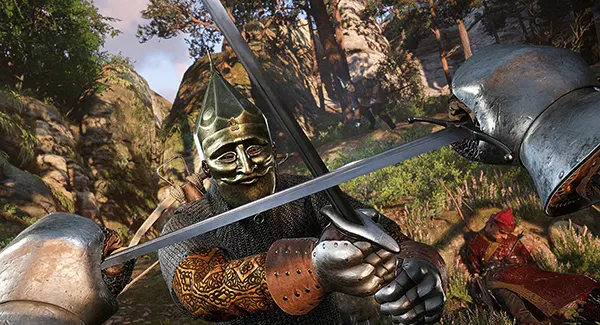
The single biggest mistake is treating every problem like a fight. In the first 5–7 hours, avoid unnecessary battles, especially against groups. If you can talk your way out, slip away, or return later with better kit, do it. The game is built to punish reckless heroics when you’re under-equipped.
The second biggest mistake is poor saving discipline. Even on PC, where you can play faster and experiment more, you still need a routine: save before risky travel, before confrontations, and before choices you’re not sure about. A hard start becomes manageable when you stop losing progress to avoidable deaths and failed encounters.
Top 5 rookie mistakes (and how to dodge them)
1) Saving too rarely: make a habit of saving before fights, theft accusations, and long travel legs. 2) Overloading your inventory: heavy packs slow you down and turn simple trips into dangerous ones; keep only what you’ll actually use before the next settlement. If you want to haul loot, plan the haul around a “sell day,” not the other way round.
3) Starting conflicts with NPCs “just to see what happens”: early reputation damage has long legs, and brawls can spiral into fines, jail time, or being locked out of help. 4) Buying the wrong first upgrades: flashy gear that drains your budget through repairs often delays real progress; buy coverage, maintenance, and reliable basics first. 5) Ignoring repair and condition: running broken kit isn’t “hardcore”, it’s just inefficient—poor condition makes you weaker and poorer at the same time.
If you follow one rule, make it this: in the opening hours, your aim is not to be powerful—it’s to be stable. Once your cash flow is steady, your gear stops falling apart, and your quest path is organised, the game opens up and the “hard start” becomes a phase you’ve already solved.
-
 Periphery
ROG Xbox Ally X in 2026: Auto SR, Ryzen AI...
Periphery
ROG Xbox Ally X in 2026: Auto SR, Ryzen AI...The ROG Xbox Ally X occupies an unusual position in 2026. It is …
-
 Periphery
500Hz QD-OLED Monitors for Esports: Is the...
Periphery
500Hz QD-OLED Monitors for Esports: Is the...For competitive gaming, 360Hz used to represent the point where refresh rates had …
-
 Periphery
PCIe 5.0 SSDs in Modern Games: Do Faster D...
Periphery
PCIe 5.0 SSDs in Modern Games: Do Faster D...PCIe 5.0 SSDs have become one of the most talked-about upgrades for gaming …
-
 Games
Neverness to Everness Review: An Open-Worl...
Games
Neverness to Everness Review: An Open-Worl...Neverness to Everness is an upcoming open-world action RPG developed by Hotta Studio, …