

How the Gaming Peripherals Industry Evolves in 2025–2026: New Technologies and Trends
The gaming peripherals sector is undergoing a rapid transformation driven by advances in wireless performance, artificial intelligence, ergonomics and visual design. Manufacturers are focusing on practical improvements that directly impact everyday gaming — from latency reductions to adaptive input systems. By 2025–2026, these changes form a clear direction for how keyboards, mice, headsets and hybrid controllers will develop.
Key Trends Shaping Gaming Peripherals in 2025–2026
Wireless technologies have reached a stage where latency is almost indistinguishable from wired connections. Brands now rely on improved 2.4GHz protocols, multi-channel switching and energy-efficient chipsets that maintain stable performance even in competitive environments. For high-skill players, these improvements remove one of the main concerns that previously held back wireless adoption.
Artificial intelligence brings new functionality to peripherals that previously required manual fine-tuning. In 2025, mice with AI-based sensitivity adjustments and keyboards that analyse typing behaviour are becoming standard for premium lines. These systems help maintain consistent input control in changing gameplay scenarios, which is particularly important in tactical and rhythm-based titles.
Ergonomics remain a central factor. Companies are expanding modular designs, allowing users to adjust weight distribution, wrist angles or switch types to reduce long-term strain. At the same time, aesthetics follow a more restrained direction: more muted lighting, matte textures and environmentally friendly materials are gradually replacing aggressive, heavy-RGB designs.
How Manufacturers Implement These Trends
Brands introduce multi-layer latency optimisation that automatically switches between frequency bands to avoid congestion. This approach ensures reliable connections even in rooms crowded with wireless devices. It eliminates the micro-stutters previously associated with wireless peripherals during high-action sequences.
AI algorithms now run locally within the peripheral’s microcontroller instead of relying on external software. This allows real-time DPI adjustments, predictive key corrections and custom macros generated based on gameplay analysis. These systems reduce the need for manual configuration while still giving players control over advanced customisation.
The focus on ergonomics led to the appearance of adjustable thumb rests, low-force switches for extended sessions and hybrid key layouts for faster reaction times. Materials such as recycled aluminium and next-generation polymers also add durability without increasing weight, keeping peripherals comfortable during long gaming periods.
Classic Devices vs. New-Generation Peripherals
Traditional wired devices still attract players who value absolute consistency, especially in esport settings. Their design remains simple, dependable and free from firmware-heavy features. However, the performance gap between these and modern wireless alternatives is closing fast due to hardware optimisation and improved power management.
New-generation peripherals offer advantages that older models cannot match. Wireless freedom, silent mechanical switches, advanced sensors and AI-driven adaptability make them more suited to modern gaming ecosystems. These improvements are not cosmetic; they have tangible effects on accuracy, comfort and precision.
Still, upgrading equipment is not mandatory for everyone. Casual players may find that older devices continue to meet their needs. However, competitive gamers or enthusiast users will benefit from the reduced latency, expanded customisation and ergonomic enhancements introduced in 2025 and 2026.
When Upgrading Makes Sense
Players who participate in fast-paced or competitive titles benefit the most from improved tracking accuracy and adaptive systems. New sensors with sub-micron precision and hybrid optical-mechanical switches deliver more reliable performance, especially during long tournaments or training sessions.
If a user experiences fatigue, discomfort or inconsistent control, modern ergonomic solutions offer a clear advantage. Contemporary peripherals provide better posture support and adjustable components designed for long-term health. These features are particularly relevant in 2025, as player wellbeing becomes a major industry priority.
Some upgrades also extend the lifespan of a gaming setup. Devices using modular switches, replaceable batteries or firmware-based enhancements can remain relevant for years, reducing the need for frequent replacements and contributing to more sustainable gaming habits.

Predictions for the Next 2–3 Years
Between 2025 and 2028, manufacturers will likely integrate more AI-supported features, including voice-controlled macro management and predictive action recognition. These systems may assist players by adjusting settings automatically depending on the in-game environment, maintaining optimal responsiveness without manual tweaking.
Ultra-light designs will continue to trend, with materials becoming stronger yet lighter. Wireless charging surfaces integrated directly into desks will also become more common, allowing peripherals to recharge passively during use. Such technologies aim to create cleaner and more flexible gaming spaces.
Sustainability will influence product creation more strongly. Recycled components, low-emission manufacturing and longer-lasting designs are expected to become industry standards. Combined with ongoing improvements in connectivity and sensory precision, the peripherals of 2026–2028 are expected to be more efficient, more comfortable and more environmentally responsible.
What Gamers Should Focus on Going Forward
When planning future purchases, players should evaluate devices based on comfort, long-term usability and sensor quality. Marketing terms matter less than proven technical performance, measured response times and real ergonomic benefits. A device that maintains consistent control over hundreds of hours will serve better than one relying on visual appeal alone.
Investing in products with modular or upgrade-ready features ensures better durability. Replaceable switches, updatable firmware, adjustable shells and long-cycle batteries help maintain relevance as technology evolves. This reduces costs and simplifies future customisation.
Finally, players should pay attention to brand transparency and reliability. Companies providing clear technical documentation, precise performance metrics and long warranty support often deliver more trustworthy equipment. As peripherals become more complex, dependable aftercare becomes as important as initial performance.
-
 Games
Resident Evil Requiem: How the New Entry D...
Games
Resident Evil Requiem: How the New Entry D...The Resident Evil series has undergone a notable transformation over the past decade, …
-
 Periphery
Gamer Ergonomics 2026: How to Prevent RSI ...
Periphery
Gamer Ergonomics 2026: How to Prevent RSI ...Extended gaming sessions remain a daily routine for millions of players in 2026, …
-
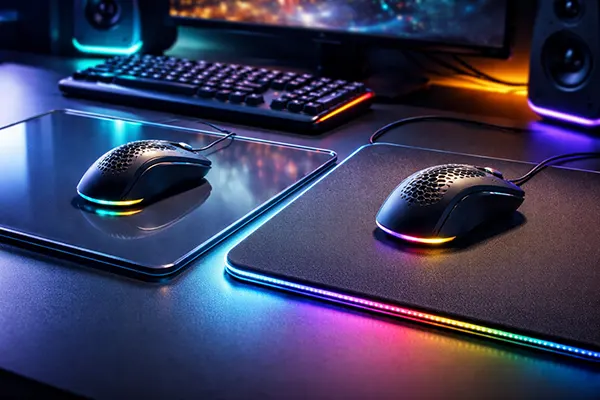 Periphery
: Glass vs Cloth Mouse Pad in 202...
Periphery
Periphery: Glass vs Cloth Mouse Pad in 202...In 2026, the mouse pad is no longer a “nice to have” accessory: …
-

Warning: Undefined array key 1 in /usr/local/www/bestgamingmouse2017.org/wp-content/themes/266640_bestgamingmouse2017/single.php on line 51
Warning: Attempt to read property "cat_name" on null in /usr/local/www/bestgamingmouse2017.org/wp-content/themes/266640_bestgamingmouse2017/single.php on line 51
Kingdom Come: Deliverance II (PC): prepari...The opening hours of Kingdom Come: Deliverance II can feel punishing on Windows …